Reducing food waste and preventing food spoilage are important for any food service establishment, and using a vacuum sealer is a great way to achieve this! Vacuum-sealed foods can be stored 3-5 times longer than unsealed foods, and they'll also taste better, as vacuum packaging eliminates most of the factors that lead to spoilage. Vacuum-sealed foods are stored in the refrigerator or freezer.
How to vacuum seal food
A vacuum sealer removes air from around the food being packaged and then seals the open portion of the bag with a sealing bar. By eliminating contact with air, the vacuum seal reduces oxidation and prevents bacteria, which require oxygen, from growing on the surface.
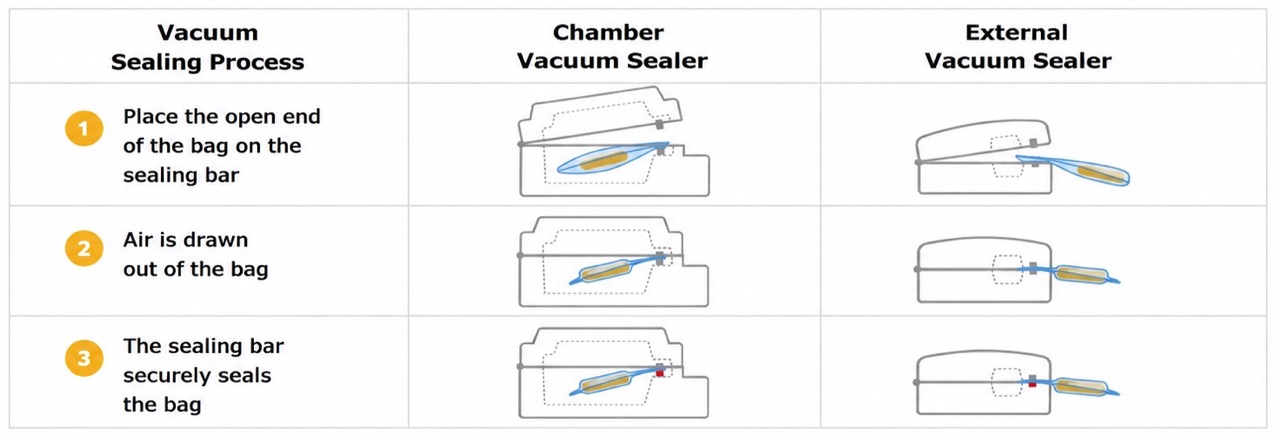
Benefits of Vacuum Packaging of Food Products
1. Maintaining food quality:
By removing air from the bag, you prevent bacterial growth and protect your food from freezer burn and weathering. Your food will stay fresher for longer.
2. Saving time and labor:
When cooking sous vide, vacuum-sealed portions require less attention than other cooking methods—place the food in a hot water bath and perform other tasks while it cooks. Even if you don't cook sous vide, it can be helpful to pack individual portions so your staff can be consistent and practice portion control when preparing food!
3. Saving money:
Vacuum packaging significantly increases the shelf life of foods, reducing waste and saving you money. The shelf life of many types of foods is dramatically increased, including:
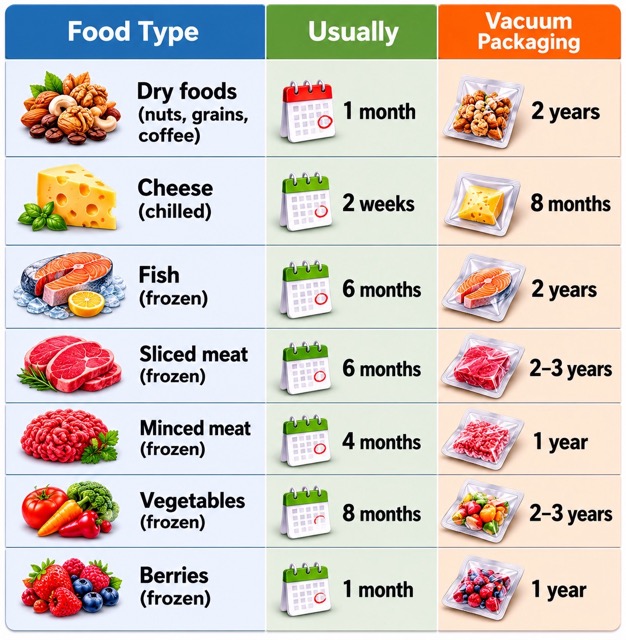
What foods can be vacuum sealed?
Almost any food product can be easily vacuum-packed—meat, vegetables, hard fruits, and bulk foods seal very well. However, there are a few exceptions that either require more attention or cannot be vacuum-packed at all.
Blanching before vacuuming
Broccoli, cauliflower, cabbage, Brussels sprouts, and turnips can be vacuum-packed, but they should be blanched first. Bring to a boil briefly, plunge into ice water to stop the cooking process, and then you can safely pack and freeze these foods! Blanching stops the production of enzymes that degrade quality and color.
It is impossible to vacuum
Mushrooms, garlic, and soft/unpasteurized cheeses like brie and ricotta should not be vacuum-sealed. These foods may contain anaerobic bacteria, which can grow and develop in the oxygen-free environment inside the vacuum-sealed bag. Also, be sure to let the food cool to at least room temperature before packaging, as bacteria thrive at higher temperatures.
Types of vacuum packers
To choose the best vacuum sealer for your business, consider what you expect from this machine. The key question is whether to choose a chamber or a chamberless machine, and which one you choose depends on:
1. What performance do you need?
2. Do you want to pack liquids?
3. Your budget
For some specialized establishments, a pistol-type vacuum sealer will be suitable.
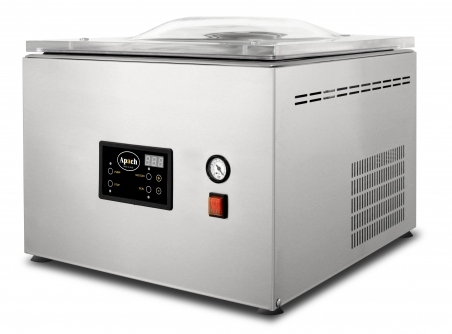 Chamber vacuum sealers are best suited for businesses that require high packaging throughput, as well as for those that need to pack wet products (meat, fish) or liquids. Chamber vacuum sealers are more expensive, but they offer significantly better performance and versatility than chamberless vacuum sealers. It's worth noting that, although chamber vacuum sealers are more expensive, the bags they use are significantly less expensive than those for chamberless vacuum sealers. Therefore, if high throughput is required, the initial cost of a chamber sealer will quickly pay for itself. If you frequently pack wet products, a chamber sealer is the right choice.
Bezk .jpg) A chamber vacuum sealer is an excellent choice if you only vacuum occasionally and don't vacuum wet products or liquids. This type of vacuum sealer is much less expensive than chamber machines and produces excellent vacuum results, but it lacks the versatility and performance of a chamber vacuum sealer. If you're trying vacuum sealing for the first time or know you need a low-capacity model, a chamberless vacuum sealer is the ideal solution.
A chamber vacuum sealer is an excellent choice if you only vacuum occasionally and don't vacuum wet products or liquids. This type of vacuum sealer is much less expensive than chamber machines and produces excellent vacuum results, but it lacks the versatility and performance of a chamber vacuum sealer. If you're trying vacuum sealing for the first time or know you need a low-capacity model, a chamberless vacuum sealer is the ideal solution.
.jpg) A vacuum sealer gun is designed primarily for situations where portability is required. It uses a special bag with a built-in valve: first, you seal the bag manually using the included manual sealer, then suck out the air through the valve. A handle built into the gun allows for the vacuum to be sucked out, similar to the pulse function of a vacuum sealer.
A vacuum sealer gun is designed primarily for situations where portability is required. It uses a special bag with a built-in valve: first, you seal the bag manually using the included manual sealer, then suck out the air through the valve. A handle built into the gun allows for the vacuum to be sucked out, similar to the pulse function of a vacuum sealer.
Choosing the best vacuum sealer
When choosing a vacuum sealer, be sure to consider factors such as the cost of the bags, the required throughput, and how often you plan to seal wet products. All of these factors will impact how well your machine will meet your expectations.
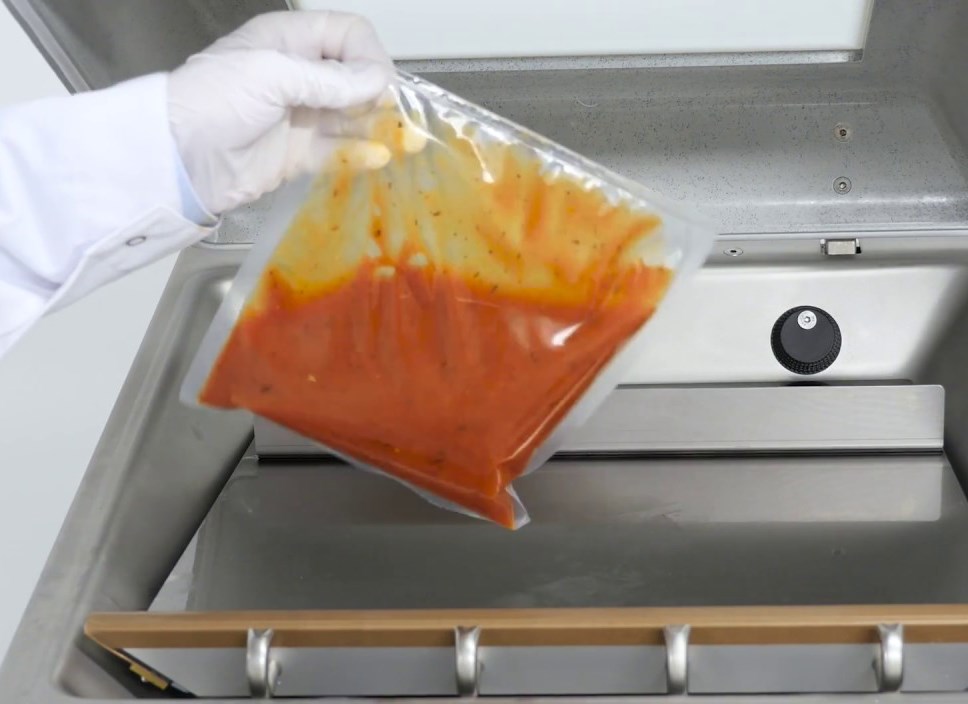 Will I be able to vacuum liquids?
It depends on the type of packer.
Chamber machines can be used to package almost any item, including liquids and wet products, without any additional equipment.
Chamberless machines are not ideal for packaging liquid or moist products, such as marinated meats, soups, and stews, as the liquid is typically sucked out of the bag along with the air. Some vacuum sealers have a "MARINADE" button on the control panel, but this typically requires the use of an additional container and significantly increases the cycle time.
One compromise solution for a chamberless vacuum sealer is to freeze the food or liquid before packaging.
Which vacuum sealer is best for commercial use?
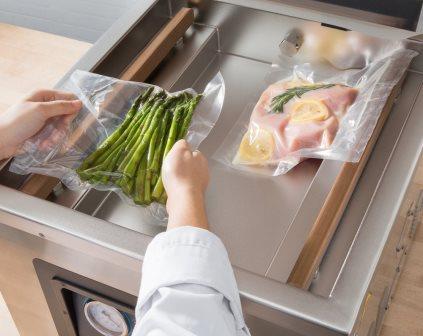
Chamber machines are well suited for commercial applications. For faster work, choose a machine with a long sealing bar (some are up to 90 cm long) and/or multiple sealing bars—these allow you to place several bags at once and simplify packaging large batches. An oil-powered vacuum sealer is also an excellent option for even better performance and durability compared to dry pump units.
Tubeless machines are ideal for low-volume production (10-30 packs/day). If you only make a few packs occasionally, they're a more cost-effective choice, but since they only have one sealing bar, typically no longer than
52 cm , larger batches will take longer to pack.
Which vacuum sealer is best for Sous Vide ?
Chamber vacuum sealers are the best choice for sous vide cooking due to their versatility. You can easily seal liquids, unlike a chamberless vacuum sealer.
Chamberless machines can be used for sous vide vacuum packaging, but they cannot seal wet foods, and you'll have to wipe the food with a dry cloth before vacuuming. A compromise is to choose a vacuum sealer with a moisture separator filter, although this doesn't guarantee protection of the compressor from moisture and subsequent corrosion.
 What kind of bags are used for vacuum sealer?
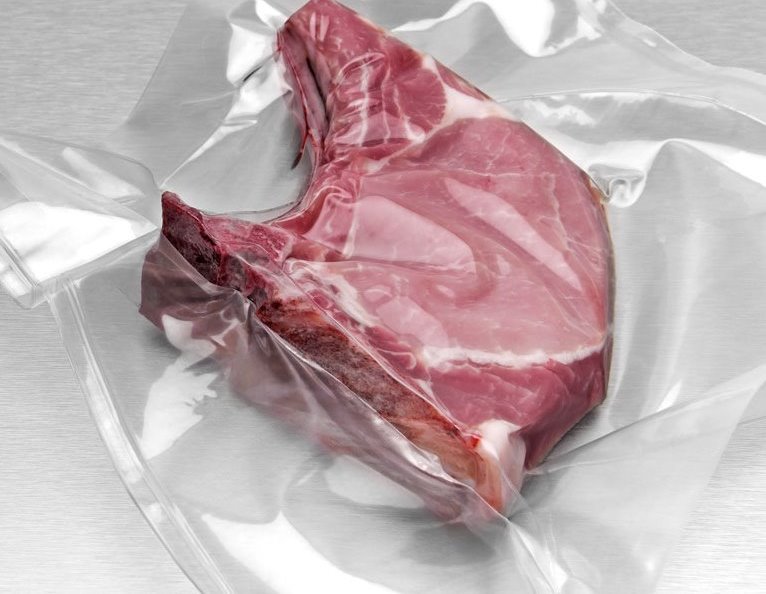
Smooth bags are used for chamber vacuum sealers. They are cheaper than bags for chamberless vacuum sealers.

Tubeless machines use only
corrugated bags . These bags are designed with sipes on the inside of the bag, like thin tubes, that suck the air out. Trying to vacuum smooth bags in a tubeless vacuum sealer will fail: the bag is smooth, and the two layers of the bag are pressed tightly together by the sealing bar, making it impossible to extract the air. This type of bag is more expensive than smooth bags.
If you're having trouble deciding which type of vacuum sealer to choose, consider whether you'll need higher productivity over time. A chamber vacuum sealer will be more cost-effective in the long run due to the lower cost of the bags.
Please note that for Sous Vide cooking you should use
appropriate bags that can withstand temperatures of 70-115°C.
 Automatic and manual vacuum sealers
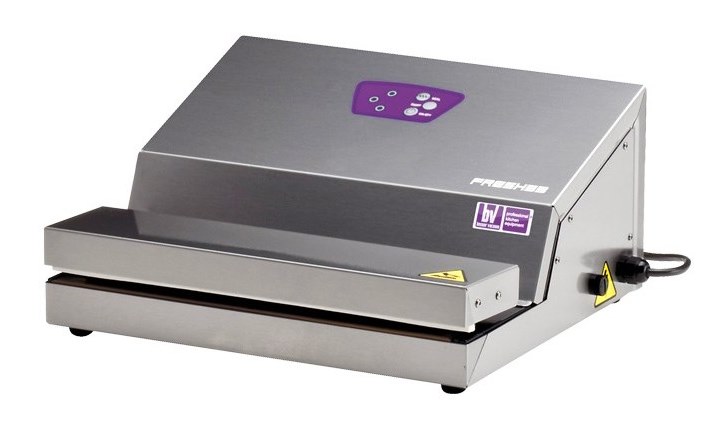
Manual vacuum sealers allow you to control the timer to remove air from the chamber or bag. This feature is useful if you'll be sealing a lot of soft, delicate items, such as cupcakes, which could be damaged by the vacuum sealing process. Once the desired time is determined, some vacuum sealer models allow you to easily set it on the control panel, rather than holding the pulse mode button each time.

In
automatic vacuum sealers, the vacuum cycle continues until all the air has been pumped out of the bag (if the product is wet, the pump will suck in water, which can cause it to malfunction). If you're sealing solid products, an automatic system is more efficient. Combination manual/automatic machines offer the advantages of both options.
 Single-chamber and double-chamber vacuum sealers
Features of vacuum sealers
Once you've decided between a chamber and a chamberless vacuum sealer, there are a few other design features to consider that will help you operate efficiently.
 Evacuation in an inert gas environment
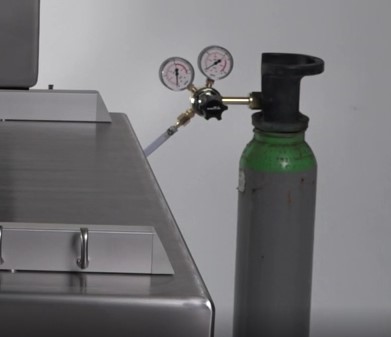
This means replacing the air in the bag with another gas mixture, usually carbon dioxide and nitrogen.
This action extends shelf life and is ideal for products that might be damaged or flattened if all the air is sucked out of the bag.
Pulse mode
Allows you to start air pumping and, if necessary, stop it at the right time.
Ideal for occasional delicate products that may break or be damaged by external pressure due to vacuuming.
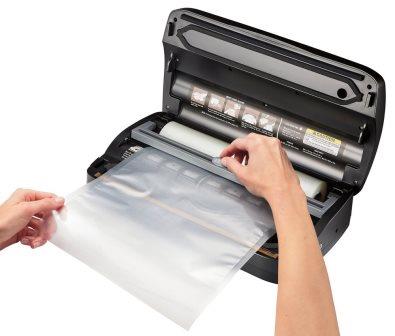 Film roll storage container and bag cutter
Unwind the required length of film from the roll and cut it.
Make sure
the roll of film you purchased fits into the roll holder.
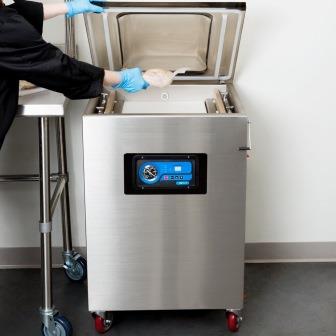 Floor models
Such devices are convenient to use because the operator does not need to raise his arms to shoulder level and the plane of the packaging coincides with the plane of the table on which the products being packaged are located.
The cameras are approximately the same size as desktop models.
Accessories for vacuum sealers
Vacuum sealing bags are the most basic thing you'll need besides a vacuum sealer, but there are many other accessories for vacuum sealers! These tools will save you money and increase the versatility and performance of your machine.
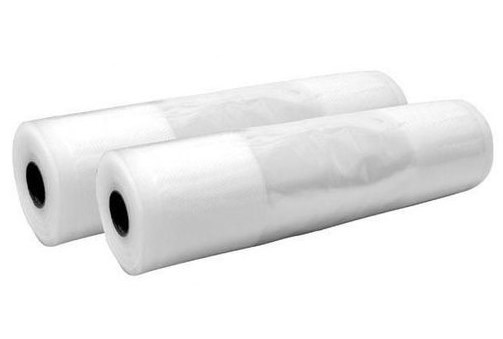 Vacuum bags in rolls and their sizes
The bag width should always be smaller than the sealing bar of the vacuum sealer. Vacuum packaging film can be supplied in
rolls for cutting, if using non-standard-sized bags (for example, for fish longer than 45 cm).
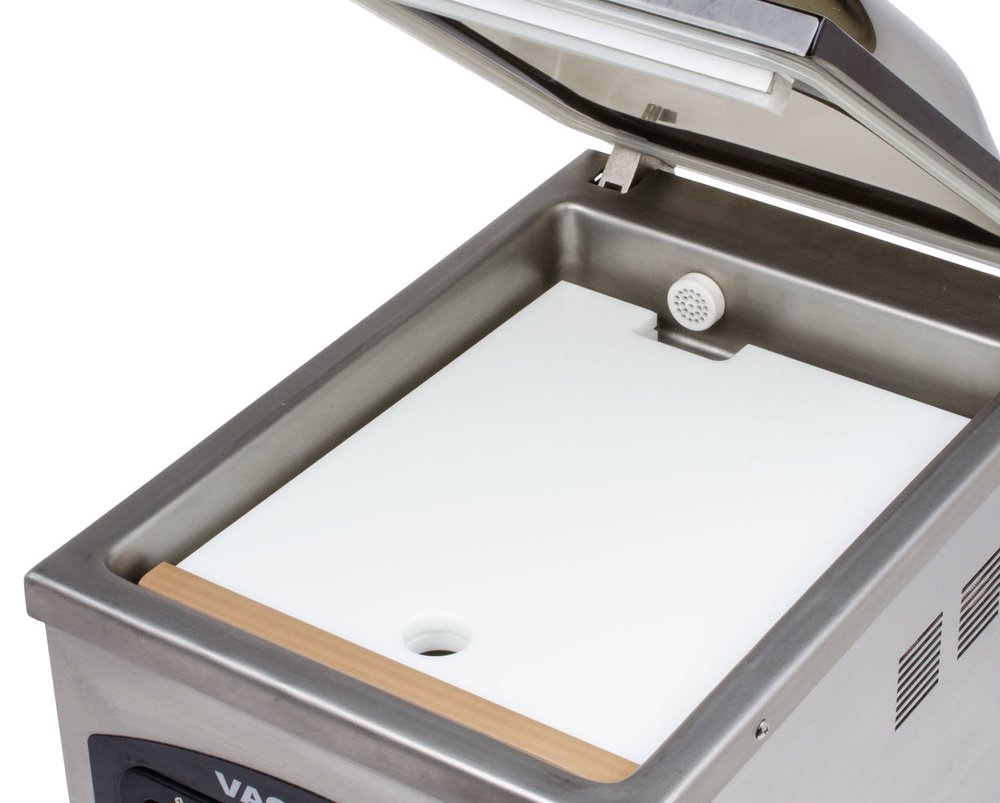 Plates for filling the vacuum chamber
When packing small packages, special plates can be used to reduce the empty space in the vacuum chamber, thereby reducing the vacuum time and pump load. When the entire chamber is needed for a larger item, simply remove the plates.
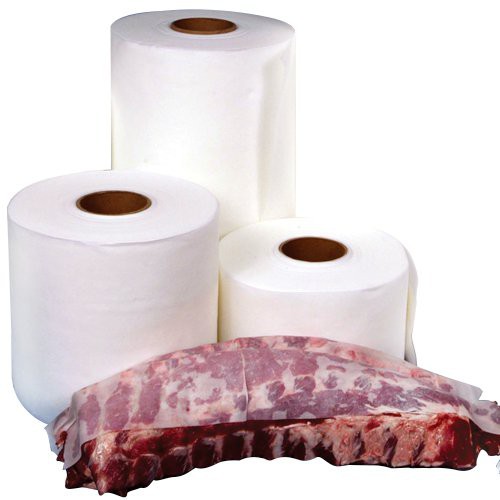 Protection from sharp bones
Foods with sharp or hard surfaces, such as bone-in meat, can puncture the bag when air is pumped out.
The extra padding prevents the bone from puncturing the bag during the vacuum cycle.
How to cook and reheat vacuum-sealed food
Besides extending the shelf life of food, vacuum packaging also makes it easier to prepare and reheat. Using vacuum packaging for individual meals will reduce food waste and make future cooking easier! Microwaving a portion or other appliance is much easier than cooking a meal from scratch. Plus, labeling the package or attaching instructions makes reheating a breeze!
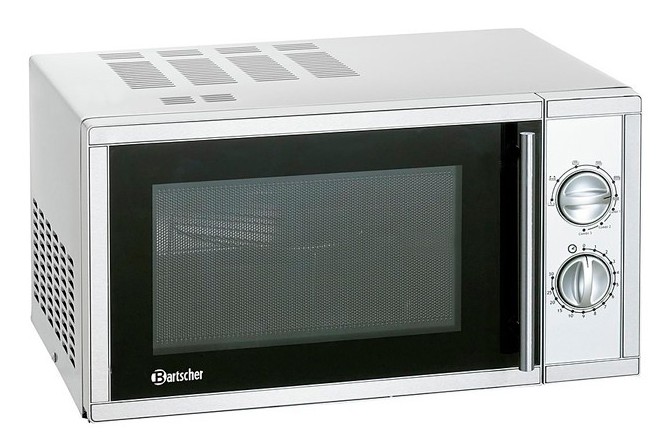 How to reheat vacuum-sealed food using a microwave
This method works for any food packaged without a lot of oil. Since the food is contained within the bag, you'll have fewer splatters and food residue on the inside walls of your microwave. Choose microwave-safe vacuum bags (the packaging should indicate this) and snip off a corner to allow steam to escape.
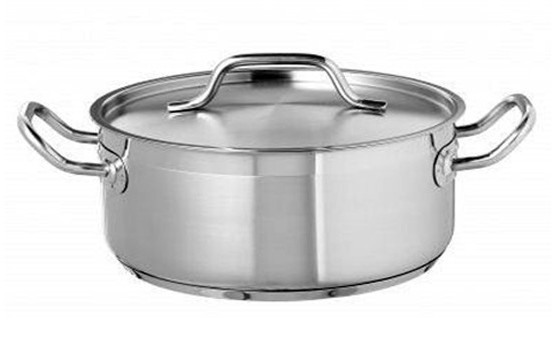 How to reheat a vacuum-sealed dish by boiling
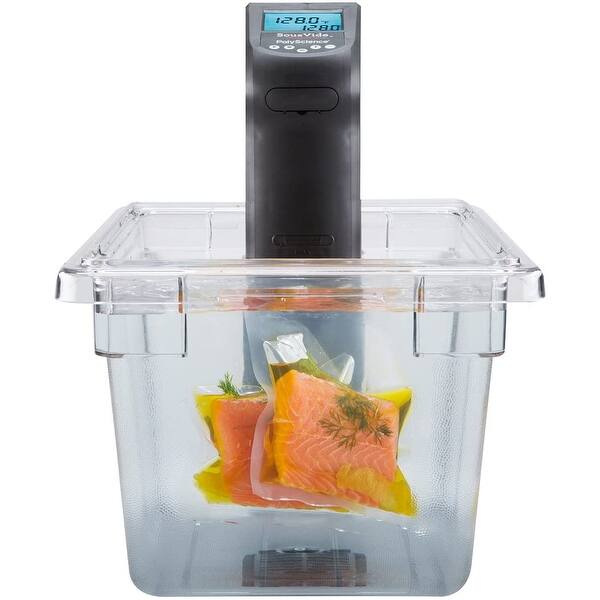
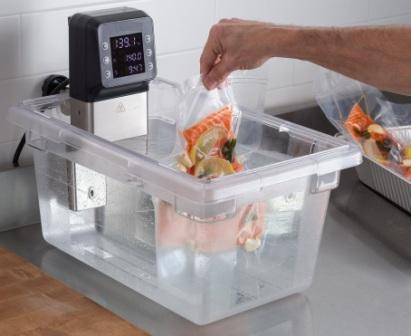
Sous Vide cooking is a process by which vacuum-sealed foods are cooked in hot water using an immersion sous vide circulator or a pour-over sous vide circulator. This method offers several advantages, including consistent, repeatable results, reduced overcooking, and a reduced need for fats, oils, salts, and spices.
This article is copyrighted by Food-Service Company. When copying, a link to the original article is required.
For professional selection of a vacuum sealer for your business, please contact our sales department:
Tel. (097) 141-50-50
Tel. (099) 141-50-50
E-mail: info@food-service.com.ua
For repair and maintenance inquiries, or to purchase spare parts for any model of vacuum sealer , please contact our service department:
Tel. (063) 341-50-50


 Reheating with


